









SC seeks Centre, EC response on plea for biometric verification for voting
text_fields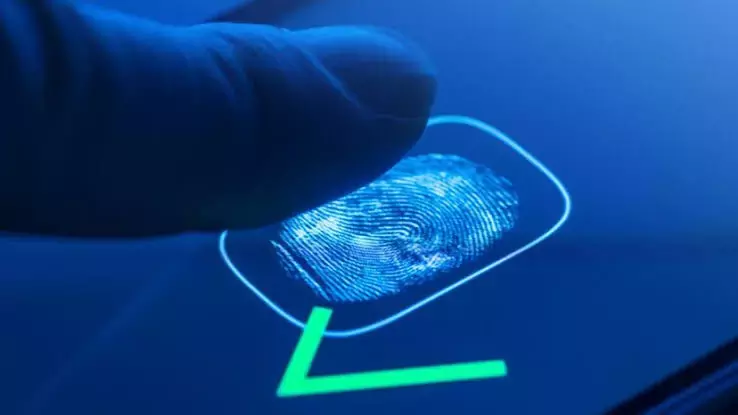

New Delhi: The Supreme Court on Monday sought responses from the Centre, the Election Commission of India, and other stakeholders on a petition demanding the introduction of finger and iris biometric identification at polling stations to prevent duplicate and fraudulent voting.
A bench comprising Chief Justice Surya Kant and Justice Joymalya Bagchi agreed to hear the matter but made it clear that the relief sought cannot be considered for the ongoing Assembly elections in some states.
“However, whether such a recourse deserves to be followed before the next parliamentary election and/or state Assembly elections needs to be examined. Issue notice,” the bench observed.
The court issued notices to the Centre, the poll panel, and several states, seeking their replies on the plea filed by advocate Ashwini Kumar Upadhyay, who appeared in person.
Upadhyay argued that biometric authentication would help prevent bribery, proxy voting, impersonation, and “ghost voting,” thereby strengthening electoral integrity.
The bench, however, noted that the proposal would require major changes to existing rules and involve a significant financial burden.
According to the plea, the Election Commission could use its powers under Article 324 of the Constitution to implement finger and iris-based verification to ensure that only genuine voters are allowed to cast their ballots.
It further argued that voter identification currently relies on voter ID cards and manual verification, which can be vulnerable to misuse due to outdated photographs, clerical errors, and lack of real-time validation.
“This creates scope for impersonation and multiple voting by the same individual or by unauthorised persons,” the petition stated, adding that biometric authentication would ensure “One Citizen, One Vote” by eliminating duplication and ghost voting.
The plea also highlighted challenges posed by a migratory population, which can lead to inconsistencies in electoral rolls across constituencies.
It said biometric systems would enable real-time authentication and create a verifiable digital record of voter verification at polling booths.
Citing the Aadhaar system implemented by the Unique Identification Authority of India, the petition said biometric identity frameworks have already proven effective in sectors such as banking and welfare delivery by reducing fraud and improving accuracy.

Extending similar technology to elections, it argued, would be a logical step to strengthen free and fair polling.
With PTI inputs