






Homoeopathy: tiny pills, holistic cure for public health
text_fields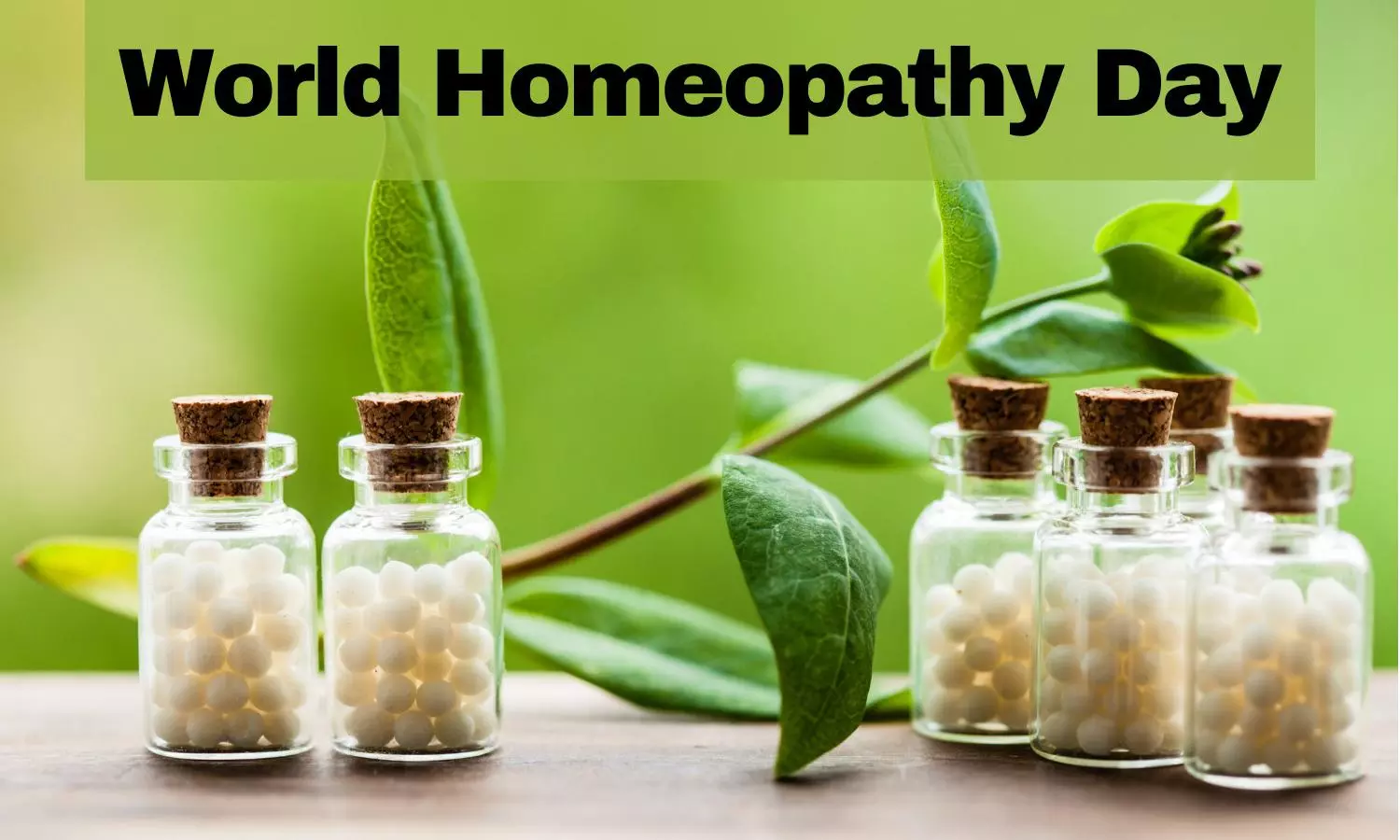
What does homoeopathy say about holistic public health and community wellness?
This year’s World Homoeopathy Day theme by IHK carries an important message. Homoeopathy represents a holistic way of looking at both the individual and the community.
The idea of ‘holistic public health’ reminds us that health is not limited to the name of a disease. Small bodily changes, recurring discomforts, changes in sleep, alterations in food habits, low energy, and general imbalance are all part of health. Homoeopathy tries to pay attention to this whole picture, how a person experiences a difficulty, when it becomes worse, what relieves it, and how both the body and mind respond to it.
That is one of the central strengths of homoeopathy. It does not look only at the name of a complaint; it also looks at how that complaint is expressed in a particular person. This is why two people who seem to have the same problem may not always receive the same medicine. What appears to be the same discomfort from the outside may show itself in two very different ways in two individuals. Homoeopathy takes these differences seriously.
That is also why, during a consultation, questions may be asked about sleep, thirst, sweating, sensitivity to heat and cold, food preferences, the time at which symptoms worsen, and the way the mind responds. These are not random questions. They are clues that help identify the individual pattern of the person. Listening to the complaint alone gives only one part of the picture. Understanding how that complaint takes shape in a person is what makes treatment more meaningful.
The theme’s second important idea is ‘community wellness’. Health is not only an individual matter; it belongs to families and communities as well. Daily routines at home, children’s health habits, sleep patterns, food culture, and the ability to notice early signs in the body all influence the health of a community. Community wellness does not begin only in hospitals or statistics. It begins in homes, in awareness, and in everyday health culture.
In this sense, homoeopathy also has an important role in health education. It encourages attention to small changes in the body instead of ignoring them. It reminds people that recurring minor discomforts may also carry meaning. Instead of postponing awareness with the thought, “It can be looked at later,” it encourages the question, “What is the body trying to say?” That attitude itself has value in public health.
The most important thing common people need to know about homoeopathy is very simple: it is not just a treatment of tiny pills. It is a method that tries to understand the person behind the complaint, select the medicine accordingly, and move forward with careful follow-up. Not all symptoms carry the same importance. Some reveal the case more clearly than others. Good treatment begins with recognising the right symptoms.
That is why this year’s IHK theme is especially meaningful. It does not reduce homoeopathy to medicine alone. It connects it with health awareness, individuality, public health, and community wellness. Treatment is not only something that begins after illness appears; it is also part of a culture that learns to notice health earlier and value it more deeply.
In short, the essence of homoeopathy does not lie only in the tiny pill. Its real strength lies in the attention it gives to the whole person, in its effort to understand health in a broader way, and in a vision of wellness that extends from the individual to the community.