









Iran resolute and unswayed by Trump’s threats to strike civilian infrastructure
text_fields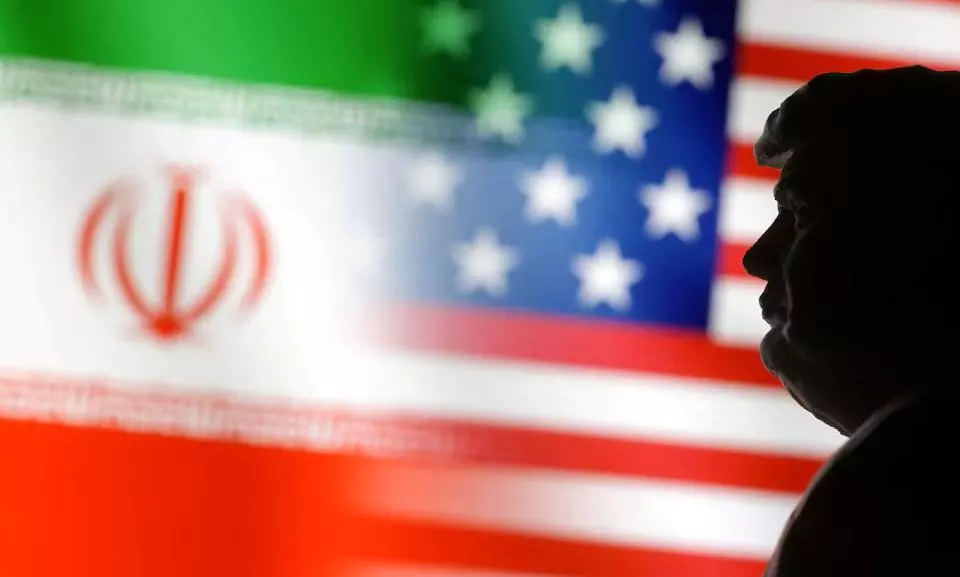

Diplomatic efforts to halt the widening Middle East war appeared to be faltering on the eve of a deadline imposed by Donald Trump, who threatened to destroy Iran’s bridges and power plants if Tehran refused to reopen the Strait of Hormuz, while Iran rejected a proposed ceasefire and demanded a permanent end to hostilities.
Although the US president has issued comparable ultimatums in the past, only to retreat or recalibrate, his latest rhetoric was markedly more explicit and uncompromising.
Mediators from Pakistan, Egypt and Turkey intensified shuttle diplomacy aimed at securing a ceasefire and reopening the strategically vital shipping corridor, yet Iran conveyed through its state-run IRNA agency that it would not accept a temporary truce, instead submitting a 10-point peace framework seeking guarantees against future attacks.
Trump broadened his threat to include “every bridge” and all power infrastructure across Iran, asserting that the country could be “taken out in one night,” while simultaneously maintaining that negotiations remained ongoing.
The US warned that failure to reopen the Strait of Hormuz would trigger strikes on civilian infrastructure, a prospect that drew condemnation from international observers and legal experts who argued that such attacks could constitute violations of international humanitarian law and war crimes, while the United Nations cautioned that targeting civilian facilities would represent a clear breach of legal norms.
Israel compounded pressure by striking a major petrochemical installation in Iran’s South Pars gas field and killing senior intelligence officials of the Revolutionary Guard, actions that Iranian state media confirmed, while Israeli defence officials vowed to continue targeting leadership figures and critical economic assets.
Iranian officials reiterated that they sought guarantees against renewed aggression, with diplomatic representatives emphasising distrust of the US following previous bombing episodes during earlier negotiations, yet back-channel contacts reportedly continued, involving Pakistan’s military leadership, US officials and Iranian diplomats.
Meanwhile, Israeli airstrikes targeted multiple airports in Tehran and struck facilities near academic institutions linked to Iran’s missile programme, and activists reported intensified bombardment across the capital, while residents described persistent explosions, dwindling utilities and growing anxiety over potential infrastructure collapse.
Casualty figures continued to mount across the region, with Iranian authorities reporting dozens killed in recent strikes and more than 1,900 fatalities since the conflict began, while Lebanon recorded significant losses amid Israeli operations targeting Hezbollah-linked areas, and deaths were also reported in Israel, the occupied West Bank and Gulf states.
Despite bellicose rhetoric, Trump suggested that Iran remained an “active, willing participant” in negotiations and even hinted at post-war reconstruction assistance, yet Tehran’s foreign ministry stated that meaningful talks were incompatible with ultimatums and threats, while military commanders warned of devastating retaliation if attacks on infrastructure were carried out.