















Dubai plans driverless pods to connect four key areas with metro stations
text_fields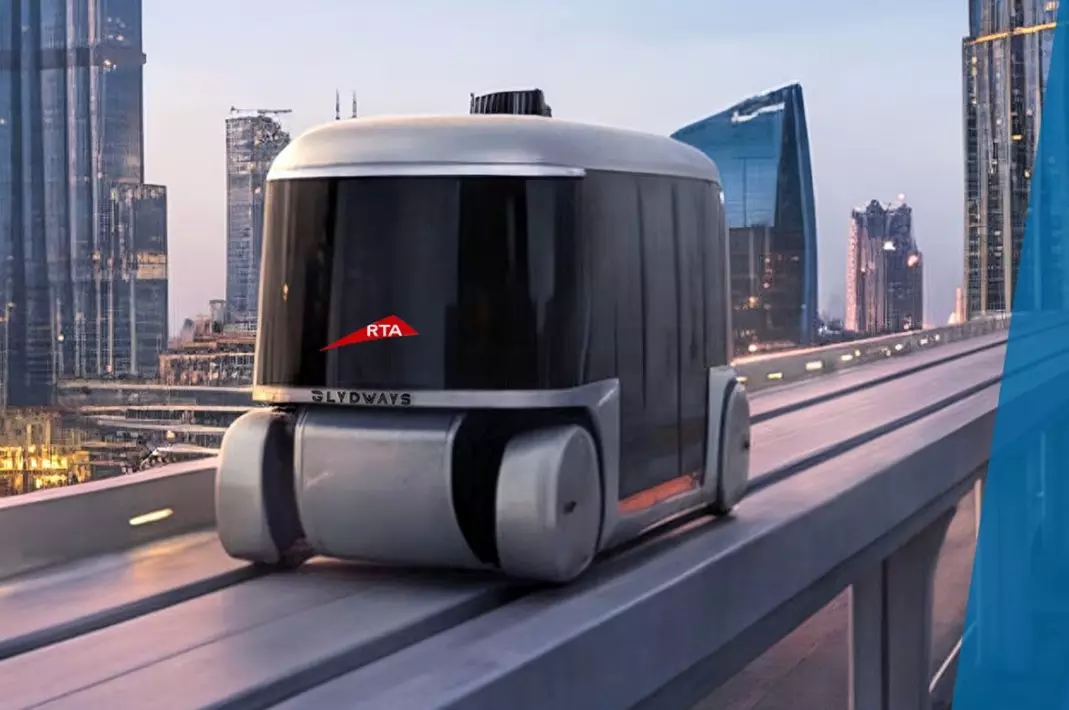

Dubai’s Roads and Transport Authority (RTA) on Tuesday revealed plans for a network of small, self-driving electric vehicles designed to provide traffic-free travel on narrow, dedicated tracks.
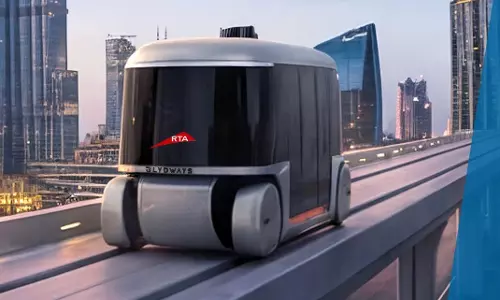
Details of the system, called Revolutionize Urban Mobility, were presented at the World Government Summit 2026, where a prototype was displayed. According to information shared at the summit, the system is planned to operate in four locations, linking metro stations with nearby destinations.
The project is intended to support last-mile connectivity. The four planned locations are Bluewaters Island, Umm Suqeim, Al Quoz and Dubai Festival City. No timeline has been announced for the start or completion of the project.
The trial route will be in Bluewaters Island, covering a distance of 2.8 kilometres from the National Paints metro station to Bluewaters Island. In Umm Suqeim, the route will extend 1.9 kilometres between the Mall of the Emirates metro station and Madinat Jumeirah.
In Al Quoz, the autonomous system will operate along a 2.6-kilometre route from the Onpassive metro station to Alserkal Avenue and Times Square Centre. The longest route is planned for Dubai Festival City, stretching 7 kilometres, with the option of connecting to the Dubai Metro Blue Line at a later stage.
The Revolutionize Urban Mobility system uses enclosed electric pods that can seat between four and six passengers. Each pod can travel up to 250 kilometres on a single charge and operates at a speed of 50 kilometres per hour. The system is designed to carry more than 10,000 passengers per hour in each direction.
The prototype displayed at the summit showed ticket-scanning points, passenger assistance features and an SOS button positioned near the door, along with a large handle to support movement.
The system was developed by California-based company Glydways. According to the company, the autonomous design lowers costs, with capital requirements reduced by up to 90 per cent and operational costs by up to 70 per cent.
Glydways said the vehicles operate in dedicated lanes similar in width to bicycle lanes and can be installed alongside existing roads, above ground or underground, without additional wiring or tracks. The guideways can be expanded as the city grows.
The company has been working with authorities in Dubai and Abu Dhabi since last year to explore the deployment of its autonomous mass transit system. In November, Glydways signed an interim agreement with the Abu Dhabi Investment Office to study the introduction of the system in Abu Dhabi.