












Kerala in the grip of fever
text_fields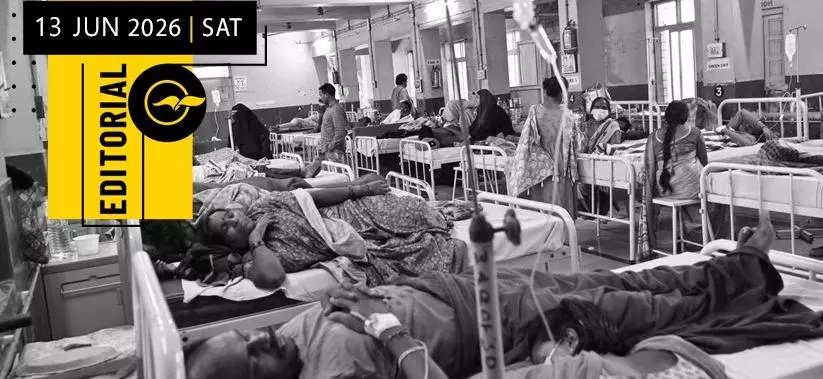

For Kerala, the monsoon season is also a season of fever. This year too, it is no different, with reports showing that the state is facing a surge in communicable diseases. The seriousness of the situation would be clear from the fact that 13,025 people sought treatment for fever at various hospitals across the state in a single day recently. Health Department reports indicate a significant rise in cases of dengue fever, leptospirosis (rat fever), shigella infection, West Nile fever and jaundice, apart from common viral fevers. Unlike previous years, the large number of reported Shigella cases has raised considerable concern. Adding to the worries, a Nipah virus infection has now been confirmed in Kozhikode. Over the past two weeks, 24 fever-related deaths have been confirmed in Kerala, while another 12 deaths are suspected to have been caused by infectious diseases. The situation has become a major challenge for the state Health Department.

Keralites have long taken pride in the strength of Kerala’s public healthcare system. The state has remained far ahead in several health indicators, including its three-tier hospital system that ensures basic healthcare infrastructure, high vaccination coverage, low maternal and infant mortality rates comparable to Scandinavian countries, and high life expectancy. However, despite these achievements, the state has faced setbacks on several occasions. The current health emergency during the monsoon season is one such instance. In fact, the recent rise in fever-related deaths and infectious diseases cannot be viewed solely as a seasonal issue but should it would be more appropriate to examine it in the broader context of environmental sanitation and climate-related factors. A review of health data from the beginning of the year highlights the scale of the challenge. Widespread contamination of the surroundings, including drinking water sources, has contributed to the continued emergence of various diseases in the state. Since January 1, Kerala has reported 33 deaths due to amoebic meningoencephalitis. During the same period, 153 fever-related deaths have also been recorded. In addition, diseases such as jaundice, leptospirosis and dengue have claimed 63 more lives over six months. Adding to these concerns, newer threats such as Shigella infection and West Nile fever have also emerged. Shigella infection cases have crossed 30 within a span of 12 days, with one death reported so far. The rise in infectious diseases has coincided with the intensification of the monsoon, with around 150 dengue cases being confirmed in a single day recently. Failure to contain the spread could lead to a more serious public health crisis. This health emergency cannot be blamed solely on rainfall. It must also be seen as a problem of the approach taken by authorities, which has not yet adapted to the changing climate.

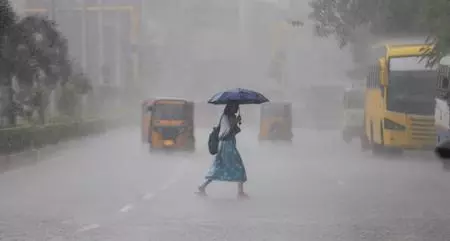
For years, pre-monsoon sanitation drives have been carried out as a routine measure to prevent seasonal diseases. However, with major changes in rainfall patterns and climate conditions, such campaigns alone may not be adequate to tackle the growing health risks. This year, even the customary pre-monsoon cleaning initiatives were disrupted. With attention diverted towards elections and other activities, sanitation drives were not carried out effectively in several parts of the state. This is considered one of the factors behind the rapid spread of diseases soon after the rains began. However, the issue cannot be attributed only to inadequate cleaning drives. Changes in Kerala’s rainfall patterns, rapid urbanisation and other environmental factors also need to be taken into account while addressing these growing threats. The current pattern of monsoon rainfall is different from that of previous years. During the rainy season, there are several days when rainfall disappears, resembling summer conditions, while the overall quantity of rain received does not show a significant decline. In other words, the total seasonal rainfall is now often concentrated into fewer days, frequently leading to floods. Rapid urbanisation and unscientific construction practices have worsened the situation, causing even moderate rainfall to result in severe waterlogging. These conditions also contribute to the contamination of the surrounding environment which increase the risk of disease outbreaks. Therefore, it is necessary to recognise that the long-followed practice of pre-monsoon cleaning drives alone will not be sufficient to cope with the current health emergency. Instead, authorities need to study changing climate patterns carefully and evolve action plans suited to the new realities. The present fever outbreak is also a reminder of this need. At the same time, widespread complaints that patients reaching hospitals are not receiving adequate medicines and other essential facilities are concerning. Several reports and visuals highlighting shortcomings in healthcare infrastructure have also emerged. These issues require urgent attention and corrective measures from the government.